Tuesday, February 3, 2009

Ромите и Еѓипќаните во Албанија

Овој извештај нуди клучни видувања на социјалното невлкучување на Ромите и Еѓипќаните во Албанија-двете најзагрозени малцинства во Албанија.

Извештајот дава совети за дизајнирање на соодветни акции со кои ќе се олесни вклучувањето на Ромите и Еѓипќаните во албанското општество и содржи повратни информации од Ромите и Еѓипќаните за финансирањето на проектот и препораки.

Извештајот ги истражува социо-економските, културните, институционалните и историските случувања на Ромите и Еѓипќаните низ Албанија.

Синтите и Ромите

Изданието дава податоци за животот на Синтите и Ромите во Германија и нивното претставување во германската литература, давајќи податоци за малтретирањето на Ромите за време на нацискиот период, кој е маргинализиран од страна на историчарите се до 1980-тите.

Book-Roma in an Expanding Europe

Roma are the largest minority group in Europe and are the major poverty risk group in Central and Eastern Europe. Poverty rates from recent World Bank poverty studies are striking. In Bulgaria, Roma were found to be ten times more likely to be poor than ethnic Bulgarians. Roma also comprise an increasing share of the population in ECA countries, because of higher birth rates. These dynamics have gained international attention, and the European Union accession process, in particular, has focused attention on the issue. Governments and international institutions have been eager to support initiatives to address the needs of Roma. However, the lack of credible information on the actual living conditions of Roma and the absence of program evaluations have provided substantial obstacles. This book brings together original sociological research, evaluations of programs, and the first comparative cross-country household survey on ethnicity and poverty. It finds that Roma poverty is multi-faceted and can only be addressed by a comprehensive policy approach that attends to all dimensions of Roma social exclusion. It proposes an inclusive policy approach which would expand and promote Roma involvement and participation in mainstream society, while maintaining cultural and social identity and autonomy. Policy mechanisms include those which make existing policies more accessible to Roma and identifying areas where targeted initiatives are needed.

Monday, February 2, 2009

Финансирање


Политичката партија за интеграција на Ромите-ПИР се финансира преку:

>>>Партиско членство;

>>>Донации од индивидуи;

>>>Донации од компании.

Book-We Are the Romani People

Description
Written by a Romani, this introduction to Roma life, health, food, culture, and society provides an insightful look at this despised by mysterious minority originating in India. Extensively illustrated, it looks at the people, their history since leaving India 1,000 years ago, and their rejection and exclusion from society in the countries where they settled. It offers candid advice on rejecting prejudices and stereotypes and getting to know the Roma as individuals, with short biographies of Roma in many different walks of life.

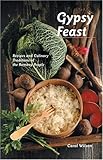
Book-Recipes and Culinary Traditions of the Romany People

Description
The Romany people are descendents of the ancient warrior classes of Northern India who trekked westwards around AD 1000. Although they were, and still are, referred to as "gypsies," their correct and preferred name is Roma. Their migration took them through Persia and Armenia, into Europe and later to the Americas. Today, the Roma live scattered throughout the world. Roma foodways were traditionally determined by their nomadic way of life. Thus, the cuisine came to include whatever was readily available, such as wild fruits and vegetables, berries, herbs, flowers, fish and shellfish, and wild game. Today, few Roma continue to live as nomads, and their traditional cuisine has largely been replaced by that of the mainstream society. Gypsy Feast evokes a memorable picture of the old Romany ways, including recipes, information on feasts and celebrations, marriage and funeral customs, and a unique way of life that has almost disappeared.

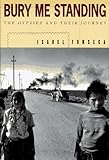
Book-Bury Me Standing

Description
They travel endlessly and seem to appear almost everywhere, yet they are the world's most mysterious people: Gypsies. Isabel Fonseca has done the impossible, entering into their world, living and traveling with Gypsies during several long trips to Eastern Europe, and she has brought back an insightful, highly personal, and very readable account of who the Gypsies are and how they live. The Gypsies have a legendary aversion to "gadje," or outsiders, but Fonseca has lifted the curtain and written gracefully about their lives on the edge of society.

Book-The Peoples of Europe

Description
Since their unexplained appearance in Europe over nine centuries ago, the gypsies have refused to fall in with conventional settled life. They remain a people whose culture and customs are beset with misunderstanding, and who cling to their distinct identity in the teeth of persistent rejection and pressure to conform. This book describes their history.
The book opens with an investigation of gypsy origins in India. The author then traces the gypsy migration from the early Middle Ages to the present, through the Middle East, Europe and the world. Throughout their known history they have been renowned for their music, metal working, fortune-telling, healing and horse-dealing; but from the outset they outraged the prejudices of the populations they encountered: they were enslaved, harrassed, outlawed and hunted. Yet against all the odds the gypsies have survived, preserving a distinctive heritage and culture that transcends national boundaries. How they did so is the compelling theme of this book.
This new paperback edition has been revised to take account of recent research and of the political changes in Eastern Europe, which have sadly been followed by a resurgence of Gypsy persecution in a number of countries.

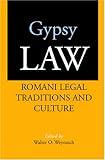
Book-Romani Legal Traditions and Culture

Description
Approximately one thousand years ago Gypsies, or Roma, left their native India. Today Gypsies can be found in countries throughout the world, their distinct culture still intact in spite of the intense persecution they have endured. This authoritative collection brings together leading Gypsy and non-Gypsy scholars to examine the Romani legal system, an autonomous body of law based on an oral tradition and existing alongside dominant national legal networks.
For centuries the Roma have survived by using defensive strategies, especially the absolute exclusion of gadje (non-Gypsies) from their private lives, their values, and information about Romani language and social institutions. Sexuality, gender, and the body are fundamental to Gypsy law, with rules that govern being pure (vujo) or impure (marime). Women play an important role in maintaining legal customs, having the power to sanction and to contaminate, but they are not directly involved in legal proceedings.
These essays offer a comparative perspective on Romani legal procedures and identity, including topics such as the United States' criminalization of many aspects of Gypsy law, parallels between Jewish and Gypsy law, and legal distinctions between Romani communities. The contributors raise broad theoretical questions that transcend the specific Gypsy context and offer important insights into understanding oral legal traditions. Together they suggest a theoretical framework for explaining the coexistence of formal and informal law within a single legal system. They also highlight the ethical dilemmas encountered in comparative law research and definitions of "human rights."

Sunday, February 1, 2009

Book-Gypsies Hidden Americans

Description
The Gypsies portrayed in this book are the Vlax-speaking Rom, the largest group of Gypsies in the United States, numbering 500,000. Not officially recognized as a minority in the U.S. until 1972, Gypsies have led an almost entirely invisible existence here. Now in this fascinating work--the first complete account of American Gypsies--Sutherland has produced an in-depth look at the full range of everyday social life among the Rom. Separate, elusive, complex, and unique among the people of the world, Gypsies have preserved their traditional way of life. How have they avoided assimilation? What keeps them apart? How are they organized, and what do they believe? These and other important questions about these hidden Americans are addressed in Sutherland's contemporary study.